

When to Trim, How to Shape: The Secret to a Healthy Yard
Pruning is more than just keeping your yard neat. It’s a vital health check and a structural investment for your landscape. Cut too early, and you expose fresh growth to damaging frost. Cut too late, and you might shear off next season’s prized blooms before they even open.
Knowing when and how to trim makes the difference between a plant that merely survives and one that thrives year after year. Precision matters, and our team handles all the details to get the absolute best out of your property.
Timing is Everything
Plants operate on precise biological schedules. A cut made in March affects a plant very differently than a cut made in July.
- Late Winter to Early Spring: This is the ideal time for structural pruning on most deciduous trees and summer-blooming shrubs. Because the plant is dormant, energy reserves are safely stored in the root system. Removing dead or misdirected branches at this point allows the plant to direct its spring energy surge straight into fresh, healthy growth.
- Spring-Blooming Shrubs: Plants like lilacs, azaleas, and forsythia set their flower buds during the previous summer. Pruning them in winter or early spring cuts away those buds before they open. These varieties should be pruned immediately after their bloom cycle finishes.
- Summer-Blooming Shrubs: Plants like crape myrtles, panicled hydrangeas, and rose of Sharon bloom on “new wood” (growth produced in the current season). Pruning them in late winter or early spring encourages robust new stems that will carry abundant summer flowers.
- Summer and Early Autumn: While heavy structural pruning is avoided late in the year to protect delicate new growth from frost, this is actually a great time for selective maintenance. It’s best to focus on light touch-ups, removing deadwood, and controlling rogue branches so your yard stays polished through the end of the season without stressing the plant.
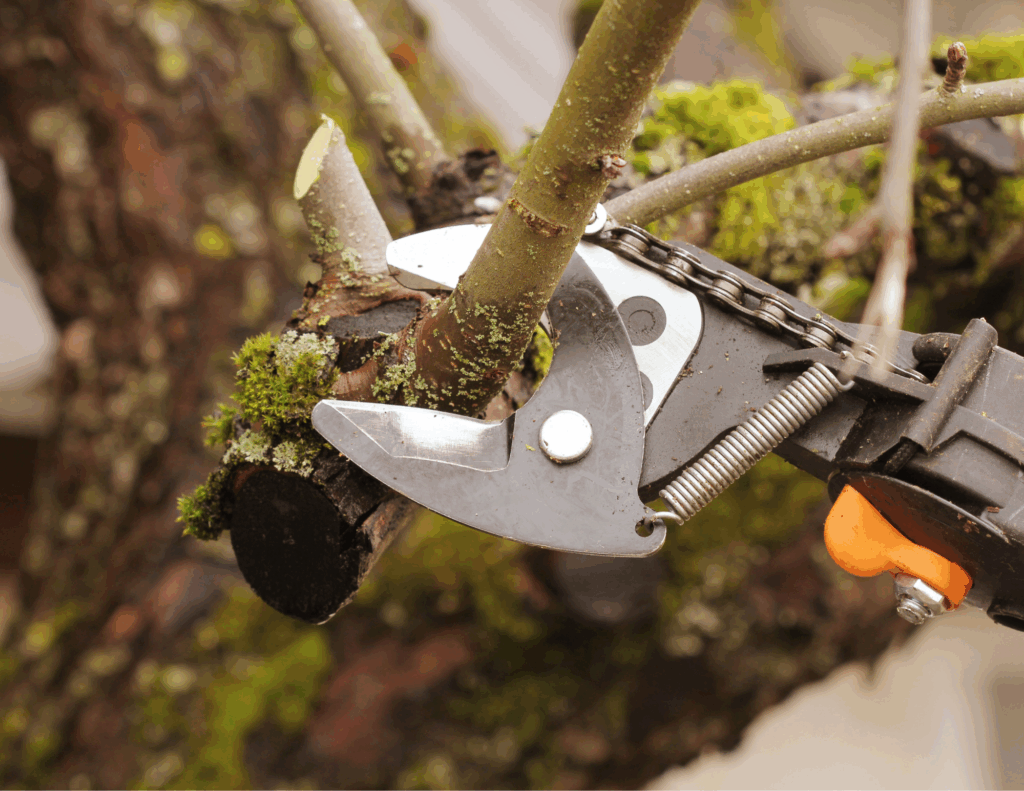
Trimming vs. Shaping
Every landscape has its own unique style, and precise pruning is what brings that vision to life. No matter if you prefer crisp, tailored hedges or a softer, natural look, great technique comes down to two main goals:
- Trimming for Health: This is all about removing the dead, damaged, or diseased branches, along with any limbs that are crossing over each other. Clearing out this clutter lets light and air reach the center of the plant, keeping it vibrant from the inside out.
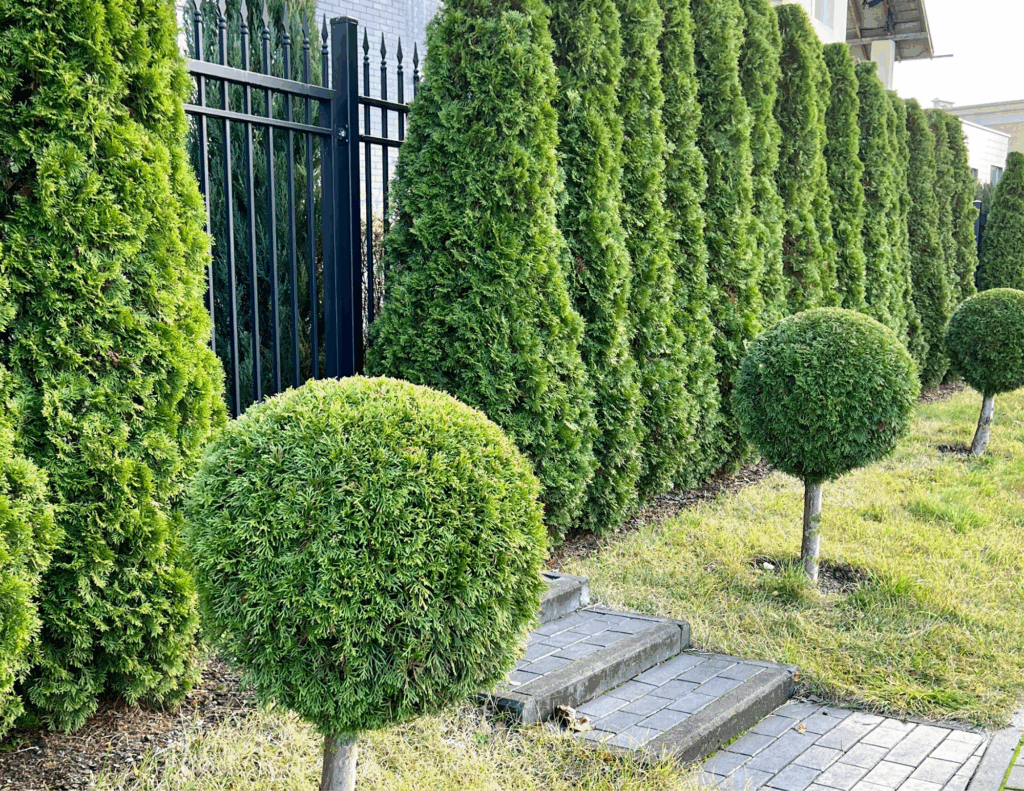
- Shaping for Style: Shaping guides a plant’s growth to fit your aesthetic goals. Whether we are maintaining clean, formal lines on a privacy hedge or working with a shrub’s natural architecture, precision shaping keeps your plants looking full, elegant, and intentional.
How We Do It Best
Plenty of services clear away overgrown branches, but our approach prioritizes long-term vigor over quick fixes.
Plant-Specific Expertise: We don’t take a one-size-fits-all approach to your yard. We evaluate every plant species on your property, assess its natural growth habit, and prune according to its specific timeline and needs.
Proactive Health Checks: While shaping your plants, we keep a trained eye out for early signs of pests, disease, or nutrient issues. Catching these problems early allows us to address them before they compromise the health of your landscape.
Hands-Off Peace of Mind: Knowing the difference between dormant cuts, soft-wood trims, and structural shaping takes years of experience. We take the guesswork off your plate entirely, making sure every plant gets exactly what it needs at the exact right time—without you having to lift a finger.
Take the guesswork out of your yard care.
Whether you’re looking to transform your property’s curb appeal for the first time or you’re a current client ready to lock in your upcoming seasonal trim, our team is here to handle the heavy lifting and keep your landscape thriving.