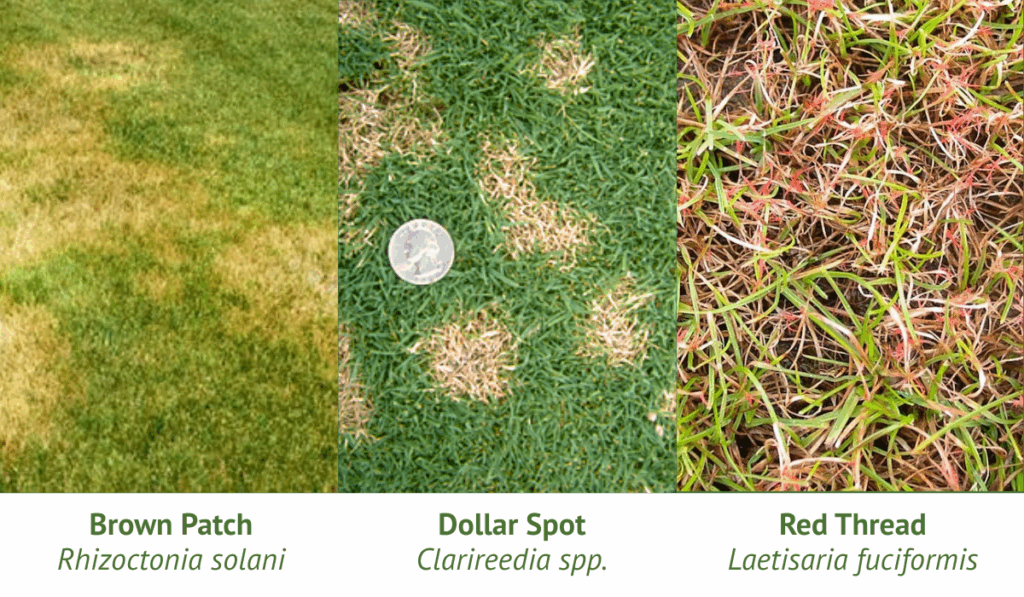
Summer on Long Island, NY brings warm temperatures, high humidity, overnight dew, and frequent rain—all of which create the perfect environment for lawn diseases to develop and spread. If you’ve noticed brown patches, small straw-colored spots, or reddish areas in your grass, lawn fungus is likely the culprit.
The good news? It’s not too late to stop it. Early treatment can prevent widespread damage and help your lawn recover before the hottest part of summer.
I need help with my lawn fungus!
Why Does Lawn Fungus Happen?
Lawn fungus thrives when grass stays damp for extended periods. Common causes include:
- High humidity
- Frequent rainfall
- Heavy morning dew
- Overwatering
- Poor drainage
- Excess nitrogen fertilizer
- Thick thatch buildup
- Limited air circulation
Even healthy lawns can develop fungus during Long Island’s humid summer weather. Once it appears, it can spread quickly if left untreated.
3 Common Lawn Fungus Diseases We Are Seeing This Season:
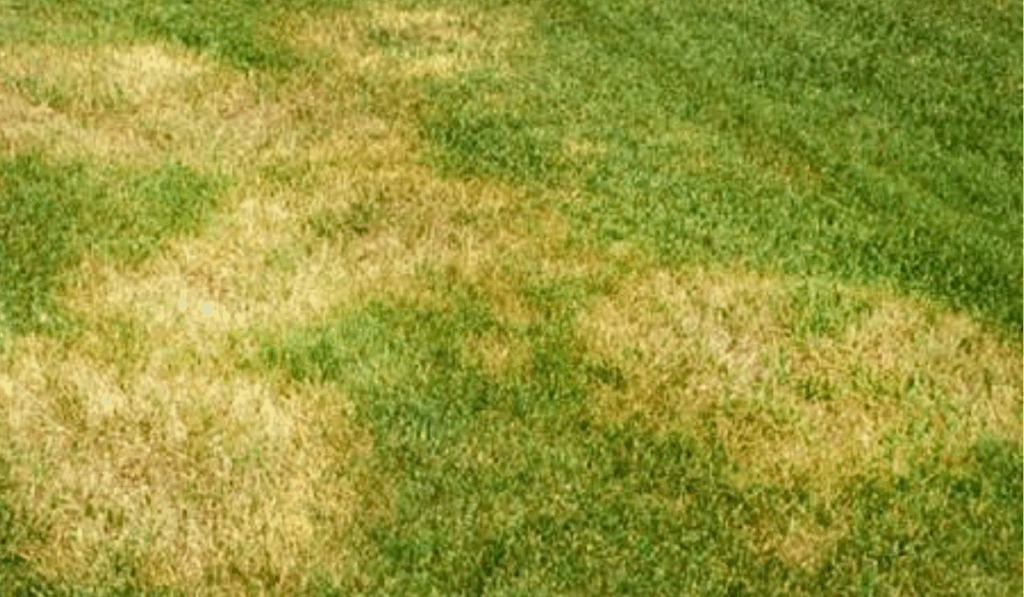
1. Brown Patch (Rhizoctonia solani)
Brown Patch is one of the most common summer lawn diseases in New York. It typically appears as large circular patches of brown or tan grass that continue expanding during warm, humid weather.
Why it’s a problem:
- Spreads rapidly in hot, humid conditions
- Weakens healthy turf
- Leaves unsightly dead-looking patches
- Can take weeks to recover without treatment
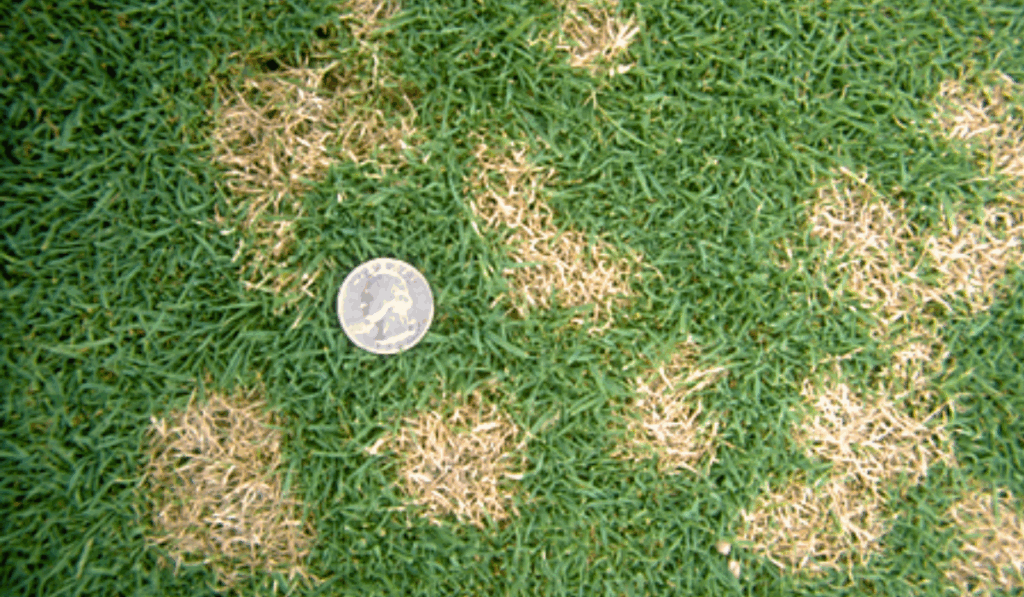
2. Dollar Spot (Clarireedia spp.)
Dollar Spot creates many small, circular straw-colored spots about the size of a silver dollar. These spots often merge together, creating much larger damaged areas.
Why it’s a problem:
- Quickly spreads across the lawn
- Thins turf density
- Makes lawns vulnerable to weeds
- Common during periods of warm days and cool, damp nights
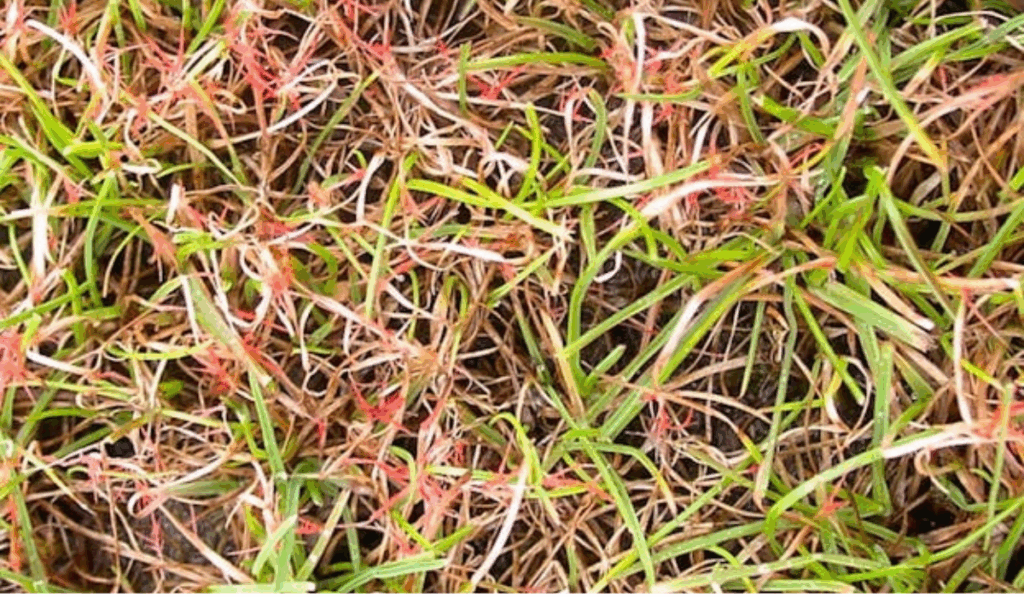
Red Thread (Laetisaria fuciformis)
Red Thread is easy to recognize by the pink or reddish strands growing on affected grass blades. It most often appears in lawns that are under stress or lacking nutrients.
Why it’s a problem:
- Causes widespread discoloration
- Weakens turf health
- Often returns if underlying conditions aren’t corrected
- Can spread throughout entire sections of the lawn
Why We Recommend Multiple Fungus Treatments
One application is rarely enough to stop active lawn fungus.
As fungal spores continue to develop throughout the summer, consistent treatments are essential to interrupt the disease cycle.
For the best results, we recommend:
- Beginning treatment as soon as symptoms appear
- Reapplying every 2–3 weeks during active disease conditions
- Watering properly and avoiding evening irrigation
- Keeping mower blades sharp and mowing at the proper height
- Improving airflow and reducing excessive moisture when possible
Consistency is the key to protecting your investment and maintaining a thick, green lawn all season long.
Get a FREE Estimate for Fungicide
It’s Not Too Late
to Save Your Lawn!
If your lawn has started developing brown patches, dollar spots, or red thread, now is the time to act before the damage becomes more severe.
Our professional lawn fungus treatments are designed to stop disease activity, protect healthy turf, and keep your lawn looking its best throughout the summer.
Whether you’re dealing with a few isolated spots or widespread lawn discoloration, we’re here to help homeowners across Long Island, Nassau County, and Suffolk County restore healthy, green lawns.